
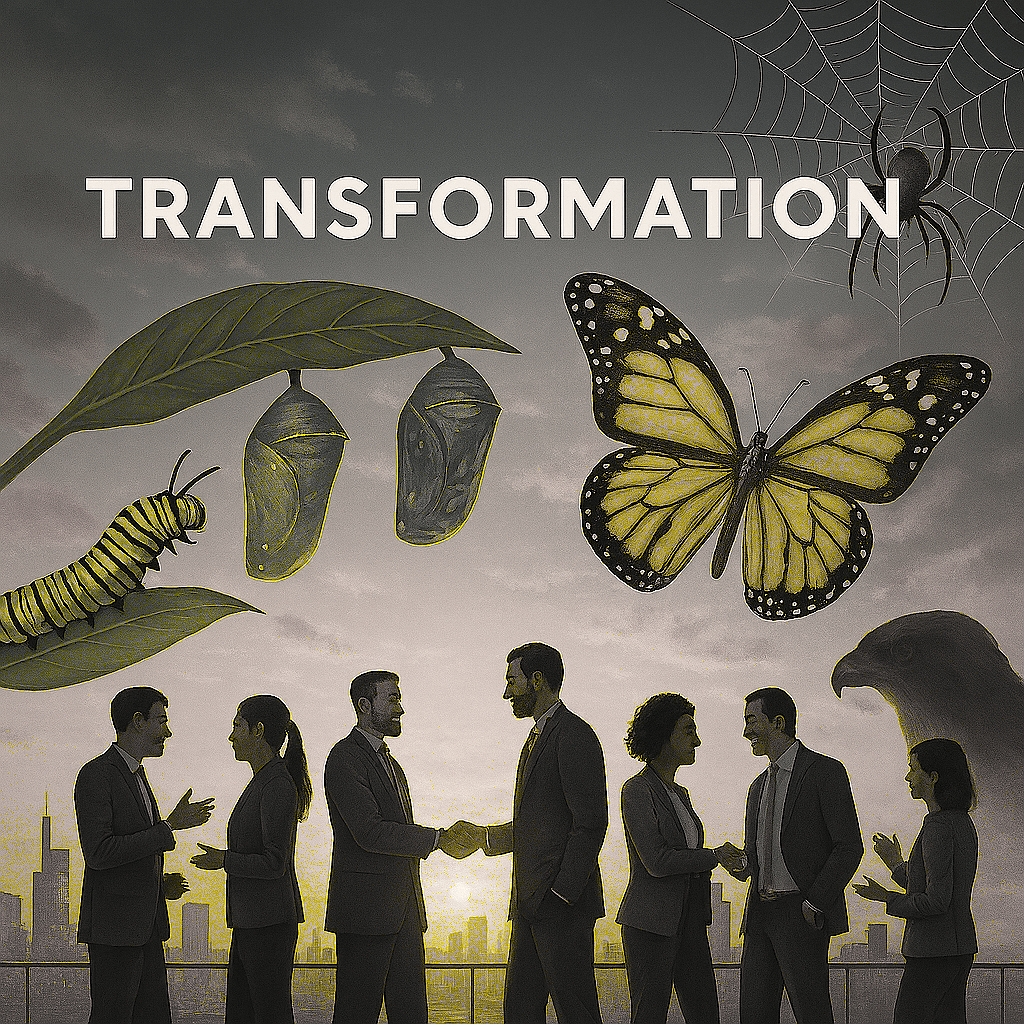
For organisations of all sizes, the scale, complexity, and velocity of change are accelerating, driven by digital transformation, evolving workforce expectations, and global uncertainty. As we look ahead to the next 5–10 years, the discipline of change management must evolve to remain relevant, effective, and strategic.
How Things Are Changing
- Technology is Reshaping the Change Landscape
Artificial intelligence, automation, and data analytics are transforming how change is designed, delivered, and measured. - Change is Becoming Continuous and Agile
The traditional model of discrete change initiatives is giving way to continuous transformation. Agile methodologies, iterative delivery, and adaptive planning are becoming the norm. - The Workforce is Seeking More
Employees expect transparency, purpose, and inclusion. Change management must evolve, focusing on empathy, co-creation, and psychological safety. - Leadership Expectations Are Shifting
Change is a leadership imperative. Executives are expected to be change champions, modeling behaviors, aligning culture, and driving transformation from the top.
Implications for Change Management
- From Projects to Capabilities
Change management will shift from being project-based to a core organizational capability. This means building change agility into teams, systems, and culture—not just deploying it when needed. - Data-Driven Decision Making
The future will demand more rigorous measurement of change impact. Change leaders must become fluent in data—using it to assess readiness, track adoption, and demonstrate value to stakeholders. - Cross-Functional Collaboration
As change touches every part of the business, change professionals will need to work tirelessly to break down silos and connect business functions to deliver truly-integrated transformation. - Ethical and Inclusive Change
With growing scrutiny on corporate responsibility, change must be inclusive, equitable, and ethical. This includes considering the social impact of transformation and ensuring all voices are heard.
What We Need to Consider for the Future
- Upskilling Change Professionals
The future demands new skills—digital fluency, systems thinking, and emotional intelligence. Organizations must invest in developing change leaders who can navigate complexity and lead with empathy. - Embedding Change into Culture
Change must become part of the organizational DNA. This means fostering a mindset of curiosity, adaptability, and resilience at every level. - Leveraging Technology Thoughtfully
While tools and platforms will enhance change delivery, they must be used to augment human connection, not replace it. - Building Change Resilience
With constant disruption, organizations must build resilience—not just in systems, but in people. This includes supporting employee wellbeing, managing change fatigue, and celebrating progress.
The future of change management in large organizations is bold, data-driven, and deeply human. It’s not just about managing transitions—it’s about leading transformation. By embracing new tools, mindsets, and ways of working, change leaders can help their organizations thrive in an uncertain relentlessly-changing world.
 gillian bergin