
“What do you want to be when you grow up?” is a career question we are all very familiar with as we transition from school to university and beyond. Even mid-career, we ask ourselves “What do I want to do next?” While these are valid questions to help focus our efforts, they give us the impression that we can only be one thing, or should only be one thing, at a time.
The truth is that we are many things and can be many things. Our careers and working lives need to feed our passions as well as our skills. We can simultaneously be a Software Developer and a Fiction Writer; we can simultaneously be a doctor and a photographer; we can simultaneously be a construction worker and a carer. Sometimes these “other” roles are natural extensions of what we do already, but other times they are something completely different, just bursting to get out and be nurtured.
The challenge with seeing ourselves as only one thing, one career, one skill, is we couple ourselves too closely to that one thing, and we don’t give our other skills opportunity to grow and be mastered. We don’t fuel our passions, and this gets more important as we get older.
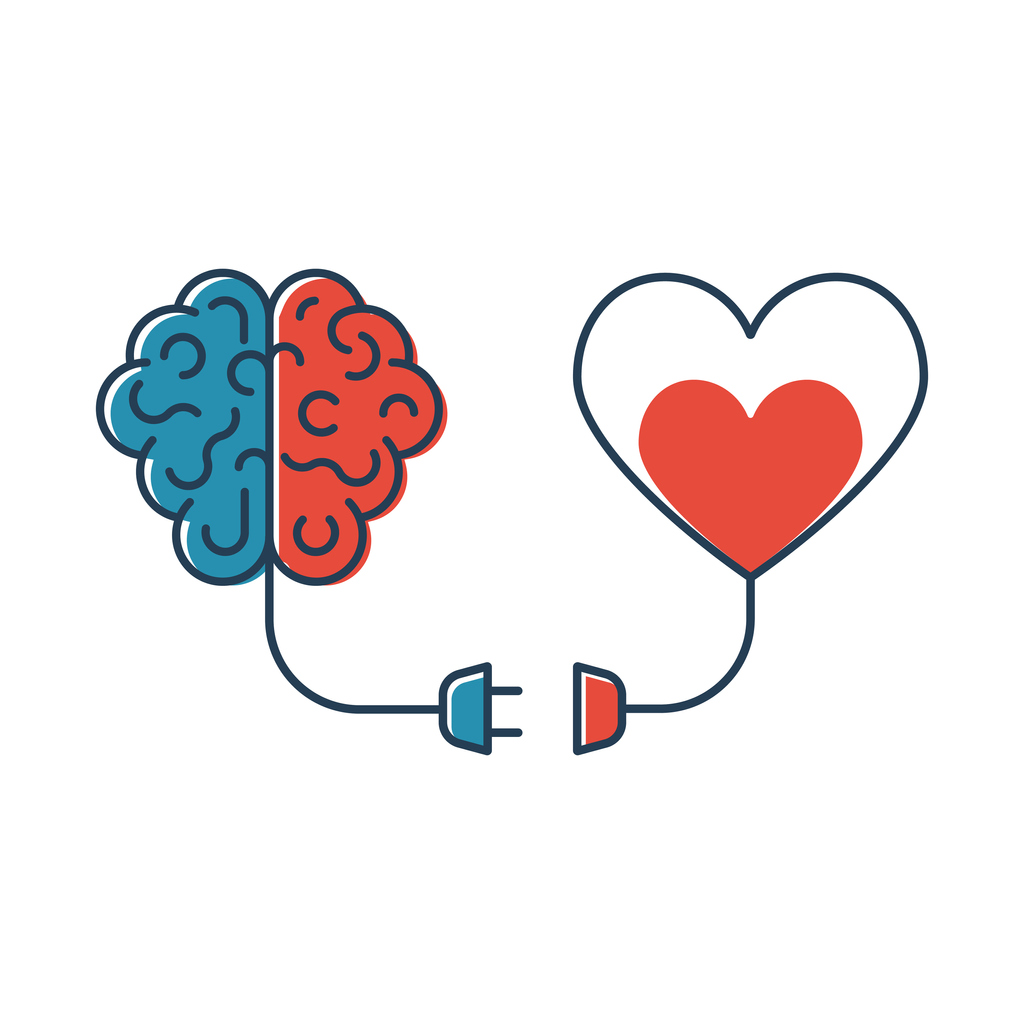
Another challenge with sticking to one thing for too long, is it can become our identity. We introduce ourselves at networking events with statements like “I am a <insert job title here>……” Instead of ” I do <insert skills here>“. We see it as who we are, instead of what we do. When we expand our thinking into the many skills we have, the many things we are good at, or the various things we are passionate about, we create opportunities for volunteering, second incomes and passive incomes. That’s something we are learning from the newer generations in the workforce. Gen Z and Millennials, squeezed by the cost of living crisis, have been pushed to innovate, thinking “how can I supplement my income?” The future of work is going to be a diverse one, where we are paid for outcomes, paid for contracted pieces of work or a “gig” and work will come from multiple sources.
This is valuable thinking for any age. When we lean into many of the other things we are good at, it opens up new networks, new relationships, new friends and other interests. We learn more about ourselves. We find our other clans.
As we age, it’s vital to have as many irons in the fire as we can, in terms of engagement, purpose, activity and friendship. One of the biggest challenges societies face for the future is loneliness, so it’s never too late to start leaning into hobbies, passion projects or ESG efforts that feed our soul and social needs.
Let’s not stop at the question “what do you want to be?” Let’s also ask “What else do you want to be?“
 gillian bergin